
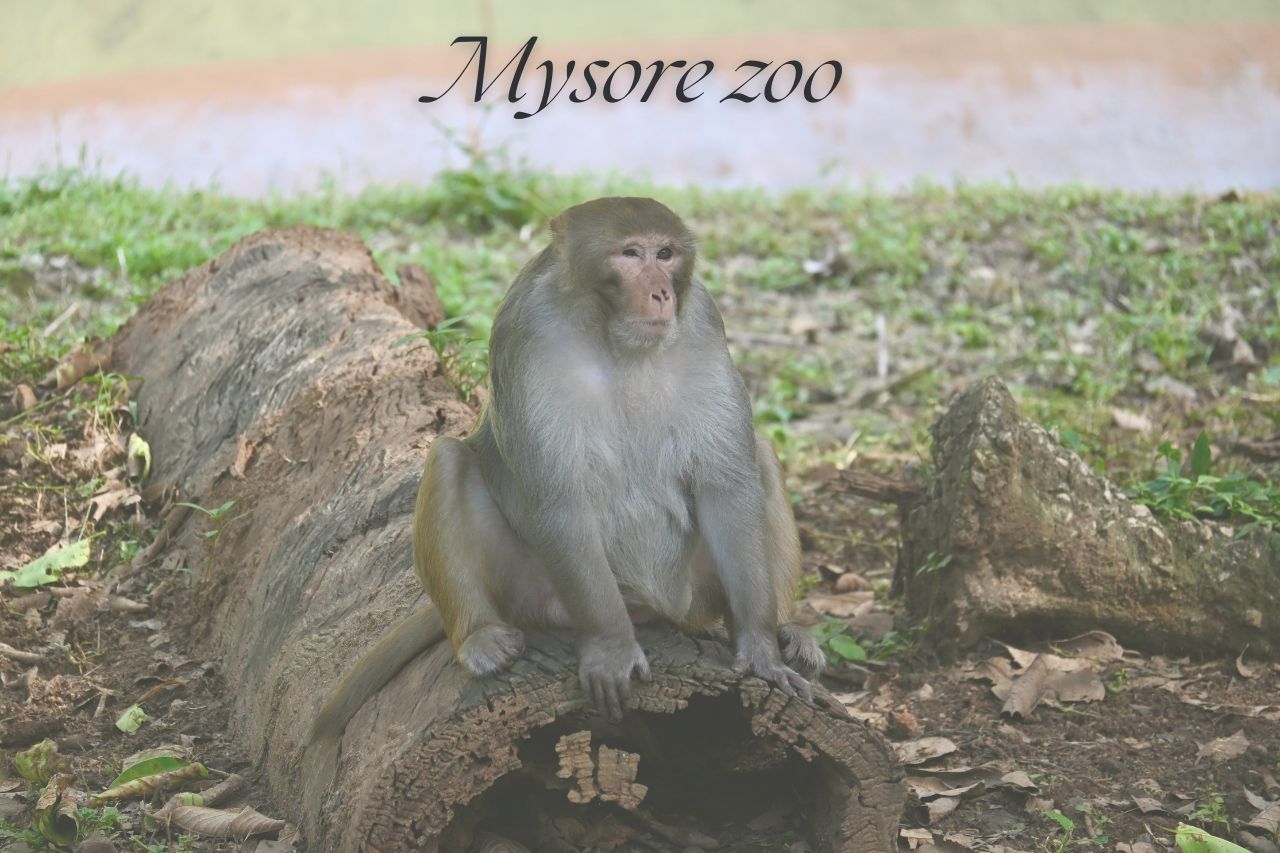
When I think of Mysore, one place that instantly comes to my mind is Mysore Zoo, officially known as Sri Chamarajendra Zoological Gardens.
I’ve visited this zoo more than once, and every time it feels peaceful, educational, and surprisingly refreshing. What impressed me most during my recent visit was how the zoo continues to improve animal care, introduce digital ticketing, and actively engage visitors through conservation awareness programs and wildlife events conducted over the past year.
Located in the heart of Mysuru city, Mysore Zoo is not just a tourist attraction but a living example of ethical wildlife management. Recent upgrades like better shaded walkways, enhanced animal enclosures, and continued animal adoption initiatives reflect the zoo’s commitment to conservation and visitor comfort. These efforts make it one of the most responsible and visitor-friendly zoos in India today.
From the source of Hindu, last year Dasara was highly rewarding for Mysore Zoo. The zoo attracted more than 1.56 lakh visitors and generated ₹1.91 crore in revenue, which is the highest revenue in the last five years.
Location and How to Reach Mysore Zoo
Mysore Zoo is located on Zoo Road, Indiranagar, Ittige Gudu, Mysuru, making it easy to reach from anywhere in the city.
Distance from Major Points
- Around 3 km from Mysore Bus Stand
- Around 4 km from Mysore Railway Station
- Around 12 km from Mysore Airport
Local buses, auto-rickshaws, and taxis are easily available. Because of its central location, I found it convenient to include the zoo in a one day trip to Mysore.
What Is Mysore Zoo and Why Is It Famous?
Mysore Zoo is one of the oldest and most well-maintained zoological parks in India. It is the second oldest zoo in India. Established in 1892, it spreads across about 157 acres and houses animals from different continents. From my experience, what truly makes this zoo stand out is the natural design of enclosures that closely resemble the animals’ original habitats.
Unlike many zoos that feel crowded or stressful, Mysore Zoo feels calm and spacious. The animals appear healthy and well cared for, and the zoo staff actively educates visitors about wildlife protection, endangered species, and sustainable living.
Mysore Zoo Timings and Weekly Holiday
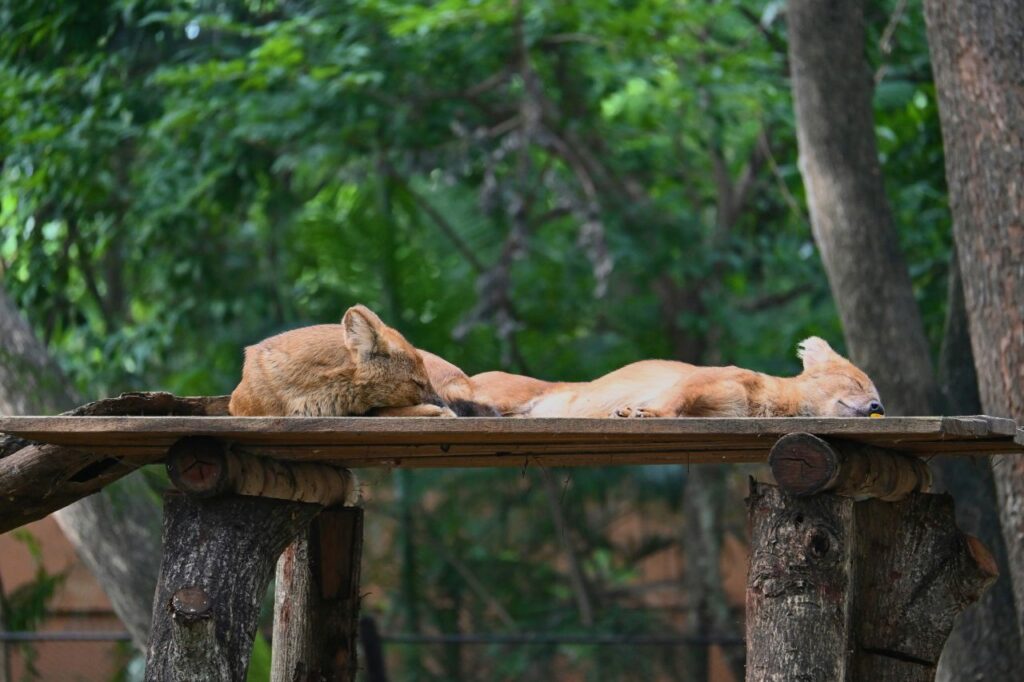
Here are the opening and closing timings of Mysore Zoo. Take a look.
Opening and Closing Time
- Opening Time: 8:30 AM
- Closing Time: 5:30 PM
Weekly Closure
Closed on Tuesdays (for maintenance and animal care)
I strongly recommend visiting early in the morning. Animals are more active, the weather is pleasant, and photography is much better.
Mysore Zoo Ticket Price and Entry Fees
Here is the latest ticket structure based on my recent visit and updated notices at the zoo:
Entry Ticket Cost
- Adults: ₹120
- Children (5–12 years): ₹60
- Children below 5 years: Free
- Karanji Lake Entrance Ticket(Only lake) Adults : ₹60 and children : ₹ 30/-
Additional Charges
- Battery-operated vehicle ride: ₹150 – ₹240
- Still camera: ₹100
- Video camera: ₹200
- Parking: Separate charges for two-wheelers and cars
Online ticket booking and digital payments are now encouraged, which has significantly reduced long queues during weekends and holidays.
How to Reach Mysore Zoo from Bangalore
As I am staying in Bangalore, I went to Mysore Zoo from here. And I reached there via car.
Bangalore to Mysore Zoo by Car or Bike
The route I usually take is Bangalore → NICE Road → Mysore Road (NH275) → Mandya → Mysore City → Mysore Zoo
The highway is very smooth and in good condition. It took approx 3–3.5 hrs depending on the traffic on the road. After entering Mysore city, just follow signs for “Zoo Road” or “Mysore Zoo,” or you can use Google Maps.
Bangalore to Mysore Zoo by Bus
You can take a KSRTC or private bus from Bangalore to Mysore. After getting down in Mysore, you can take an auto or cab to Mysore Zoo. It usually takes 10–15 minutes. Auto rate is Rs. 80–150.
Bangalore to Mysore Zoo by Train
Take a train from Bangalore City or Yeshwantpur. Then get down at Mysore Junction. Train travel time is 2.5 hrs to 3.5 hrs. After that, you can take an auto. It takes Rs. 100–150.
From my experience, car or train works best. If you’re visiting Mysore only for the zoo, train + auto is efficient. If you want to explore more places, driving or hiring a cab is better.
The Facts About Mysore Zoo
- Established in 1892 during the rule of the Wodeyar dynasty, Mysore Zoo ranks among the oldest Zoos in India.
- Mysore Zoo began as a private collection of exotic species belonging to the royal family of Mysore. It was not open to the general public. A later the zoo was opened to the public so people could learn about wildlife and nature.
- The zoo is officially named Sri Chamarajendra Zoological Gardens, in honor of Maharaja Chamarajendra Wodeyar.
- As time progressed, Mysore Zoo gradually began to evolve and transformed its focus from displaying animals to caring for animals, educating people about animals and their lives, as well as conserving all types of wild animals.
- In addition, Mysore Zoo was one of the first zoos in India to utilise large, open, naturalistic enclosures as opposed to cages.
- Ethical exchanges between zoos to provide animals for exhibition rather than wild capture was the primary means of animal acquisition.
- Mysore Zoo played an integral role in breeding endangered species in order to prevent the extinction of those species.
- To provide modern facilities, including veterinary clinics, quarantine, and nutritional facilities, Mysore Zoo has incorporated various new technologies into its facilities over time.
- Recently, Mysore Zoo has implemented many green initiatives and has adopted environmentally friendly practices such as going completely plastic-free and implementing digital ticketing systems to reduce waste.
Animals and Attractions Inside Mysore Zoo
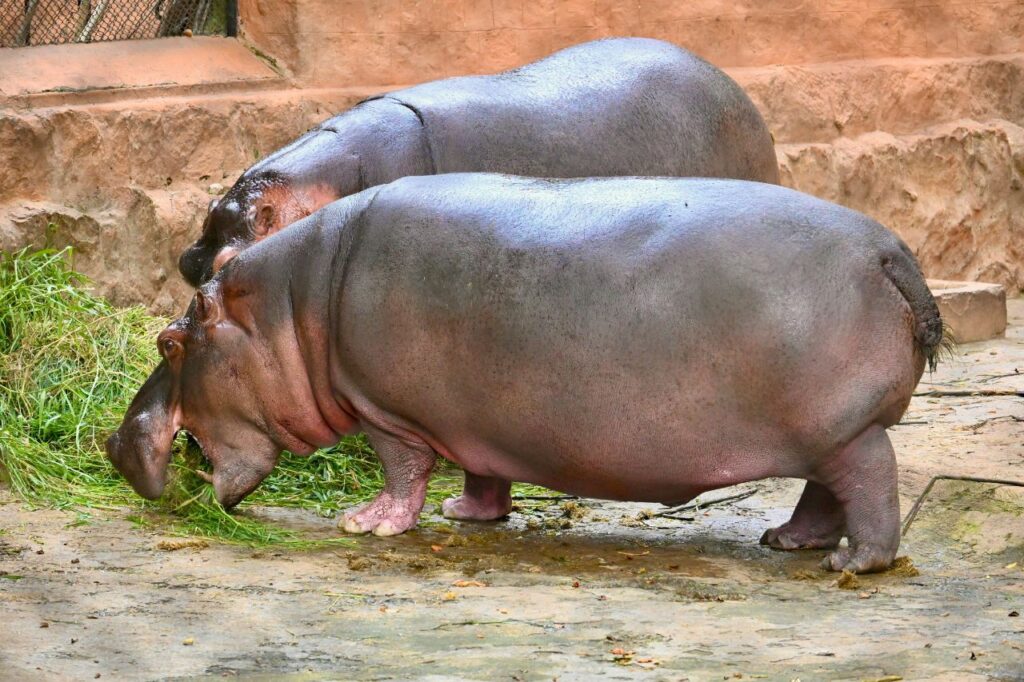
From majestic mammals to colorful birds, the zoo offers a wide variety of wildlife experiences.
Mammals You Shouldn’t Miss
- Bengal tigers
- Asiatic lions
- Elephants (Indian and African)
- Giraffes
- Rhinoceros
- Zebras
Birds and Reptiles
- Over 168 species of birds
- Exotic parrots and migratory birds
- Snakes, crocodiles, and other reptiles
What I personally loved is how the zoo feels like a botanical garden. The greenery, shaded paths, and water bodies make walking enjoyable even during warmer months.
Best Time and Season to Visit Mysore Zoo
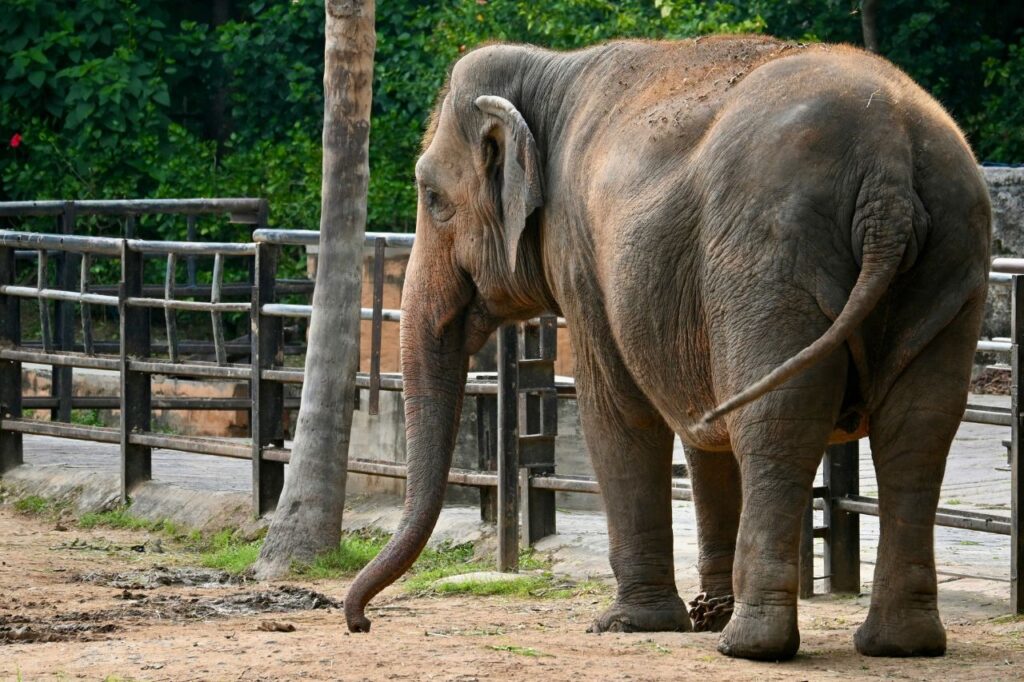
Based on my visits, here’s a simple and practical breakdown to help you plan better.
Best Time of Day
- Early morning between 8:30 AM – 10:30 AM
- Late afternoon after 3:30 PM
Best Season
- October to February (pleasant weather)
- Avoid peak summer afternoons if possible
Practical Tips from My Visit
- Wear comfortable walking shoes
- Carry reusable water bottles (plastic is restricted)
- Use the battery vehicle if traveling with elders or kids
- Allocate at least 2–3 hours
- Combine the visit with other places to visit in mysore for a complete travel experience
What sets Mysore Zoo apart for me is its balance between tourism and ethics. It welcomes visitors while still prioritizing the well-being of animals and educating people about conservation. The clean pathways, helpful staff, clear signboards, and continuous improvements made over recent years show that this zoo is evolving with time, not staying stuck in the past.
If you are visiting Mysuru for the first time or even returning after many years, Mysore Zoo deserves a spot on your itinerary. It fits well into family trips, student visits, and relaxed sightseeing plans. More importantly, it leaves you with awareness, respect for wildlife, and memories that last much longer than the visit itself.